
Building a Foundation for the Future: Why "Love Notes" is Essential for Our Local High Schoolers
- Guest Author
- Apr 21
- 2 min read
Posted By: Mireya McPhee
What is Love Notes? Love Notes Risk Avoidance Adaptation (SRA) is an Evidence-Based Program (EBP) that studies these matters through skill-building and knowledge to foster positive relationships in all forms (romantic, friendship, familial, educational, and professional). How Love Notes Applies to High Schoolers The high school years are crucial for making decisions. Love Notes empowers teenagers to safeguard their future. The Program Assists High Schoolers by:
Setting Healthy Boundaries
Understand the distinction between a healthy relationship and an unhealthy one.
Selecting Partners
Learn how to pick partners and friends who share similar visions and align with their long-term goals.
Sexual Risk Avoidance
Accentuate the value of excluding sexual behavior in youthful relationships, enabling them to concentrate on self-development and academic achievements.
Trusted Connections
Incorporates exercises which help in connecting the youth to their parents or other trusted individuals, initiating essential discussions on matters relating to life and romance.
What’s Happening in the Classroom: A Look at the Lessons
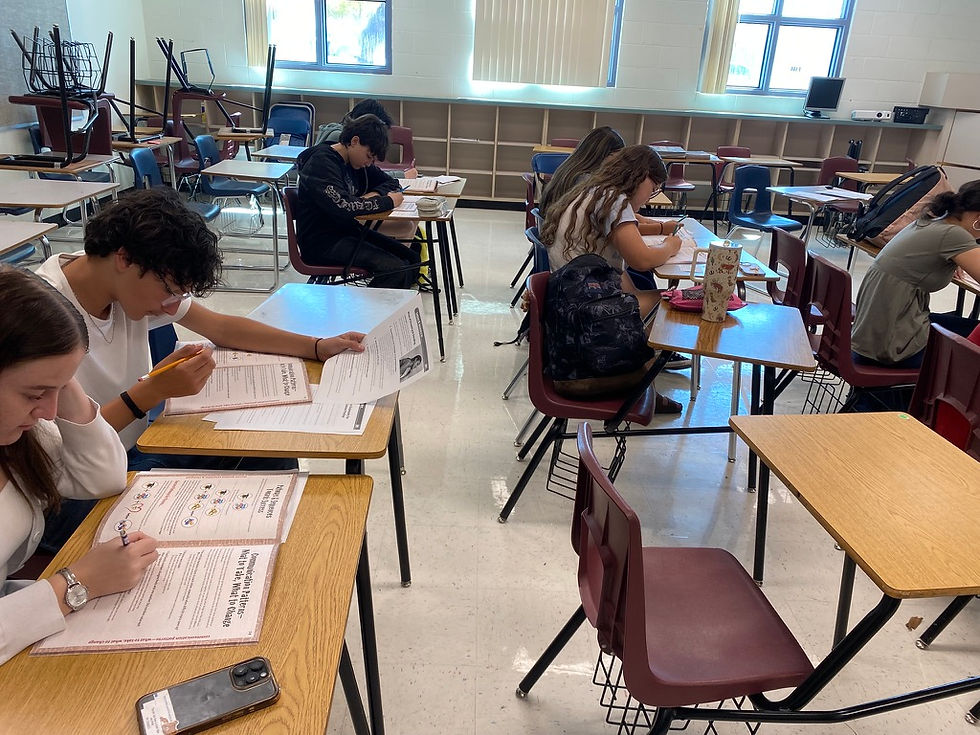
It starts by looking inward before looking at a partner. Students don’t just read a textbook. Instead, they engage in activities along with journal activities designed to reveal their own social patterns.
Understanding Personality Colors: One of the most popular segments involves students discovering their own personality types. By identifying their traits, students can learn...
Self-Awareness: Why they react the way they do in stressful situations.
Compatibility: How to navigate a relationship with someone who has a completely different personality vibe.
Empathy: Recognizing that a friend or partner isn't being difficult -they just process information differently.
Master Classes in Communication: In the how it applies phase, students move into the Evidence-Based Communication portion of the program. They move away from “you-statements" (which cause defensiveness) and learn the power of "I-statements." Specific skills taught include...
The Speaker-Listener Technique: A structured way to ensure both people feel heard without being interrupted.
Conflict Management: How to "time out" during an argument so a disagreement doesn't turn into a "red flag" situation.


How High Schoolers Are Engaged
If you were to walk into a classroom at Walden Grove or Sahuarita High School during a Love Notes session, you won’t see students staring blankly at a screen. You’ll see them engaged in real talk.
High schoolers are leaning into this curriculum because it respects their autonomy. They aren't being told what to do - they are being taught how to think through their choices. Students are actively participating in shaping their own social and emotional intelligence.

Testimonial
After sitting through the lessons on healthy boundaries and the "Red Flags" of toxic behavior, a 9th-grade student realized that a relationship she was currently in didn't
align with the values she was learning. A 9th grade student at Sahuarita High School found the courage to end that toxic relationship because of what she learned in Love Notes. Kourtney Kazakos brought these lessons to life by creating a judgment-free zone where students feel safe enough to audit their own lives.




Comments